7-Month Sleep Regression: Everything Parents Should Know
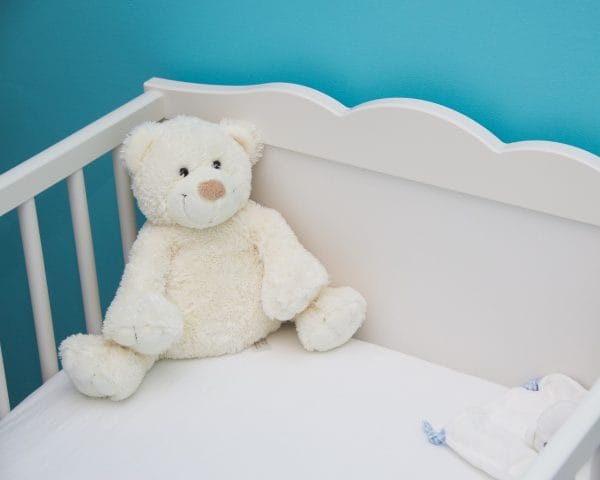
Around seven months, it is common for babies to experience unexpected sleep difficulties.
This temporary phase is known as the 7-month sleep regression.
This regression is completely normal and developmentally appropriate.
What Is the 7-Month Sleep Regression?
The 7-month sleep regression describes a temporary disruption in a baby’s sleep patterns that usually occurs between six and eight months of age.
Many babies begin waking at night, skipping naps, or resisting bedtime.
The main cause is fast brain and body development.
Common Signs of the 7-Month Sleep Regression
While every baby is different, many parents notice similar signs.
- More disrupted nighttime sleep
- Sudden nap resistance
- Trouble settling at bedtime
- Early morning wake-ups
- Heightened need for comfort
A sudden shift in sleep without medical symptoms often points to regression.
Why Does Sleep Regression Happen at 7 Months?
Developmental Milestones
Seven-month-old babies experience rapid growth and learning.
New abilities often include crawling attempts, sitting up, and improved coordination.
Their brains continue practicing these skills, even during sleep.
Emotional Development
Around this age, separation anxiety may begin.
Night wakings may increase due to emotional needs.
Changing Sleep Needs
A baby’s sleep schedule often changes at this age.
An outdated schedule can lead to overtiredness.
How Long Does the 7-Month Sleep Regression Last?
The good news is that this phase is temporary.
Many babies return to normal sleep within a month.
Stable habits help sleep normalize faster.
7-Month-Old Sleep Requirements
On average, a seven-month-old baby needs between 12 and 15 hours of total sleep per day.
- Night sleep: 10–12 hours
- Day sleep: 2–3 naps totaling 2–3 hours
Proper sleep balance supports healthy development.
How to Survive the 7-Month Sleep Regression
Maintain a Consistent Bedtime Routine
Predictable routines help babies feel secure.
Short, calming activities prepare babies for sleep.
Adjust Wake Windows
Most babies do that site best with wake windows of 2.5 to 3 hours.
Practice Skills During the Day
More playtime can improve nighttime sleep.
Be Consistent With Night Wakings
Gentle reassurance often works best.
Final Thoughts on the 7-Month Sleep Regression
Sleep disruptions at seven months are normal.
Your baby is developing exactly as expected.
Stability and understanding make a big difference.