7-Month Sleep Regression: Everything Parents Should Know
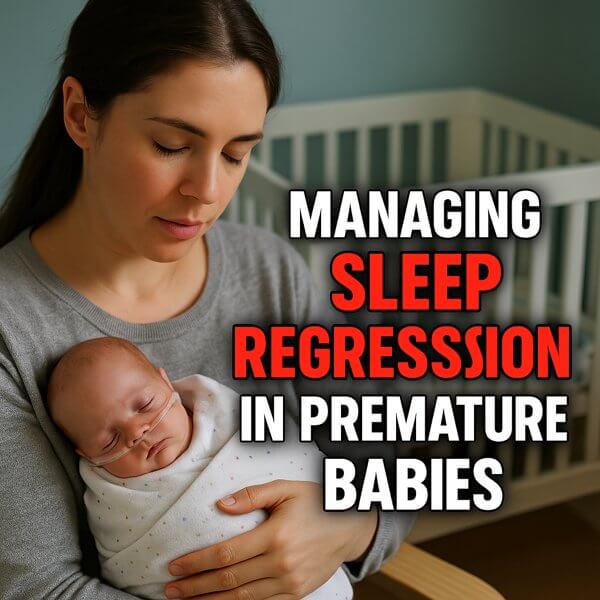
Around seven months, it is common for babies to experience unexpected sleep difficulties.
This temporary phase is known as the 7-month sleep regression.
This regression is completely normal and developmentally appropriate.
Understanding the 7-Month Sleep Regression
Sleep regression at seven months is a phase where previously stable sleep suddenly becomes irregular.
During this time, babies may wake more frequently at night or struggle with naps.
This regression is closely linked to rapid physical, cognitive, and emotional development.
Signs Your Baby Is Experiencing 7-Month Sleep Regression
Each child reacts differently, but many behaviors overlap.
- Waking up multiple times at night
- Fighting daytime naps
- Difficulty falling asleep
- Shortened morning sleep
- Heightened need for comfort
When these behaviors start abruptly without illness, sleep regression is usually responsible.
Why Does Sleep Regression Happen at 7 Months?
Rapid Development
At this age, major developmental leaps occur.
These skills may include sitting independently, crawling, rocking on hands and knees, or pulling to stand.
Nighttime sleep can be disrupted by mental and physical practice.
Separation Anxiety
Emotional attachment becomes stronger during this phase.
Babies may wake at night to check if their caregiver is nearby.
Changing Sleep Needs
Older babies require different sleep timing.
Wake windows typically extend to 2.5–3 hours.
Duration of the 7-Month Sleep Regression
This regression will pass go now with time.
For most babies, it lasts between two and four weeks.
Consistency often speeds up recovery.
7-Month-Old Sleep Requirements
Total daily sleep needs remain relatively consistent.
- Night sleep: 10–12 hours
- Day sleep: 2–3 naps totaling 2–3 hours
Proper sleep balance supports healthy development.
Tips to Handle the 7-Month Sleep Regression
Maintain a Consistent Bedtime Routine
Predictable routines help babies feel secure.
Short, calming activities prepare babies for sleep.
Adjust Wake Windows
Most babies do best with wake windows of 2.5 to 3 hours.
Practice Skills During the Day
More playtime can improve nighttime sleep.
Respond Consistently at Night
Respond calmly and consistently to night wakings.
Final Thoughts on the 7-Month Sleep Regression
The 7-month sleep regression can be exhausting, but it is temporary.
It is a sign of healthy development, not a setback.
With patience, routine, and consistency, sleep will improve again.